

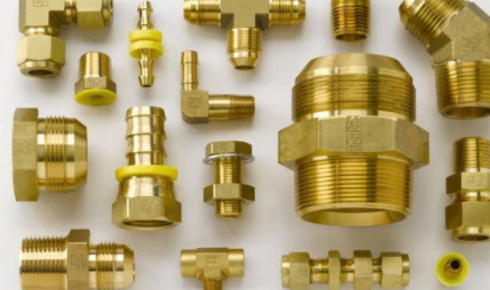
When designing or upgrading your pipes, choosing the right pressure pipe fittings is just as important as selecting the right pipes themselves. The fittings you choose have a direct impact on your system’s performance, durability, maintenance requirements, and the overall cost of the project. In Australia, PVC and brass pressure pipe fittings are some of the most common options. But which is better? Both materials have their own set of pros and cons. In this guide, let’s compare both PVC and brass fittings, understand the fundamental differences, and see how homeowners and professionals can determine which fitting is right for the job.
The Role of Pressure Pipe Fittings
Pressure pipe fittings are critical hardware components that are designed to help connect, control, and secure piping systems that transport liquids or gas under pressure. They perform a number of functions, which include the following:
- Contaminant and leak prevention – The fittings seal connections and prevent pressurised liquids and gases from escaping the system.
- System navigation – The specialised designs allow systems to branch and change directions without losing or minimising the loss of pressure within the system.
- Flow regulation – When pressure pipe fittings are paired with valves, they can help control the velocity, direction, and volume of the liquids or gases that flow through the system.
- Material adaptability – These fittings also play an important bridging function, seamlessly connecting components made from different materials. This allows the creation of complex, multi-stage pipe networks.
PVC vs Brass Pressure Pipe Fittings: Key Differences
Both PVC and brass pressure pipe fittings have their own pros and cons. Let’s take a look at some of the key differences:
Pressure and temperature ratings
Brass pipe fittings are far stronger than PVC pipes and can handle fluctuations and extreme temperatures without warping and deforming. On the other hand, PVC is more suitable for general domestic cold water networks.
Durability and environmental resistance
Brass is highly resistant to damage from physical impacts. However, they can corrode when they come into contact with highly acidic and chlorinated gases and liquids. On the other hand, PVC is completely immune to rust and corrosion. This makes them excellent for soil contact and underground use. However, they can easily shatter or crack under heavy impact.
Installation and versatility
Brass pressure pipe fittings can be used to create robust metal-to-metal seals with the help of pipe tape or thread sealant. PVC pressure pipe fittings installation will require bonding using PVC primer, cement, or mechanical threading. They are easy to work with and install in tight spaces.
Cost and sourcing
Brass pressure pipe fittings will be more expensive upfront. But the higher initial cost will be offset by their longevity and reusability. On the other hand, PVC fittings are more budget-friendly. That makes it the ideal choice for large-scale outdoor or agricultural systems where material cost is a key concern.
Which Pressure Pipe Fitting is Best for Your Project?
Between brass and PVC pressure pipe fittings, the specific requirements of your project will dictate your choice. Brass pressure pipe fittings, which are known for their high mechanical strength, are best suited for high-pressure systems as well as commercial and industrial systems. If your systems need to meet demanding conditions, transporting high volumes of liquids or gas on a regular basis, you need to go with brass.
At the same time, PVC pressure pipe fittings are excellent for irrigation systems, residential plumbing, and budget-conscious projects. They are lightweight, resistant to corrosion, and affordable, which makes them a practical choice for many everyday applications.
In short, when you have to choose between the two varieties, consider factors such as operating pressure, environmental conditions, budget, and compliance requirements. Once you know exactly what you need, choose the pressure pipe fitting that matches your requirements the best.
Conclusion
When comparing brass and PVC pressure pipe fittings, it’s hard to say that one is better than the other. This is because the specifications of the project will ultimately dictate your choice between the two. Since PVC pipes are lightweight, budget-friendly, and corrosion-resistant, they are highly suited for residential projects and agricultural water supply systems. On the other hand, the strength of brass pressure fittings makes them suitable for industrial applications.
No matter the needs of the project, Convic Australia is here to supply you with the civil construction material you need. Get in touch with us and see why Convic has a reputation for providing high-quality materials, exceptional service, and innovative solutions across industries.
