Cleaner Water at Home Starts with Smarter Choices
Most people don’t think much about the water running through their home until something feels a little off. Maybe the tea tastes odd. Maybe the shower leaves skin dry, or the glassware comes out cloudy even after a full dishwasher cycle. Sometimes it’s a smell, sometimes it’s scale around the tap, and sometimes it’s just that nagging feeling that the water could be better.
Water is one of those everyday things we use without ceremony. We drink it, cook with it, wash vegetables in it, bathe in it, and send it through appliances we’d rather not replace too soon. So when water isn’t quite right, it quietly touches almost every corner of daily life. That’s why more homeowners are starting to look beyond basic filters and think seriously about better long-term solutions.
Why Home Water Problems Are Not Always Obvious
Clear water can still contain minerals, chlorine taste, sediment, or other substances that affect how it smells, feels, and performs around the home. Hard water, for example, may not look alarming in a glass, but over time it can leave deposits inside pipes, water heaters, kettles, and washing machines. Little by little, the home starts showing signs.
The trouble is, many people get used to these small inconveniences. They buy bottled water for drinking. They scrub fixtures more often. They accept dry hair after showers or spots on dishes as normal. But these problems are often signals, not just annoyances. They may point to a water issue that can be improved with the right approach.
Understanding What a Good System Should Do
A proper water solution should not be chosen randomly. The best starting point is always understanding the actual water supply. Municipal water, well water, hard water, and water affected by old plumbing may all require different treatment methods. That’s where testing becomes useful. It removes the guesswork.
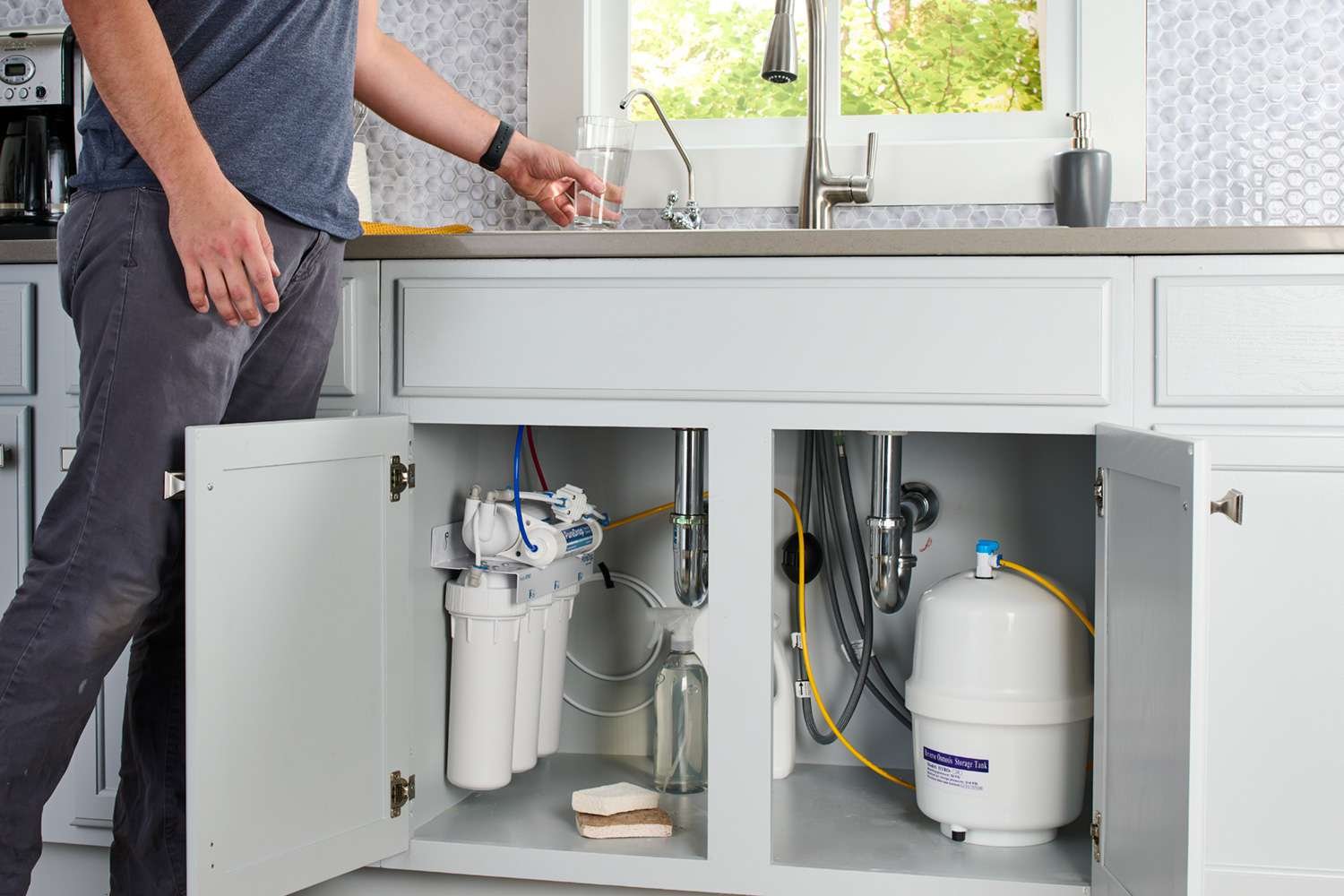
Some homes need sediment filtration. Others need softening. Some benefit from carbon filtration for taste and odour, while others may require reverse osmosis for drinking water. In more complex cases, advanced water treatment systems can combine several technologies to deal with multiple concerns at once, giving the household a more complete and dependable result.
Comfort, Taste, and the Everyday Difference
The biggest change people notice is often simple comfort. Drinking water may taste cleaner. Tea and coffee can feel smoother. Showers may leave skin less tight. Laundry might come out feeling softer. These are not dramatic, movie-style transformations, but they matter because they happen every day.
There’s also a practical side. When water is treated properly, appliances tend to work under better conditions. Water heaters, dishwashers, washing machines, and coffee makers all depend on water passing through them again and again. If that water is loaded with minerals or sediment, the equipment has to work harder. Over time, that can mean more maintenance and shorter appliance life.
Not Every Home Needs the Same Solution
One of the mistakes homeowners make is assuming one filter will solve everything. A small tap filter may improve taste, but it won’t necessarily protect plumbing. A softener may reduce hard water scale, but it may not remove chlorine taste. This is why choosing between different water treatment systems should be based on real household needs rather than whatever product happens to be popular online.
A family with young children may care most about drinking water. Someone living in a hard water area may focus on scale buildup. A rural home using a private well may need a much more detailed setup, especially if sediment, iron, or bacterial concerns are present. There isn’t one perfect answer for everyone, and honestly, that’s a good thing. A tailored setup usually works better than a one-size-fits-all fix.
Maintenance Matters More Than People Think
Even the best equipment needs care. Filters have to be replaced. Softener salt levels may need checking. Systems should be inspected now and then to make sure everything is working as expected. Skipping maintenance can slowly reduce performance, and before long, the homeowner is back to wondering why the water tastes strange again.
The good news is that most modern systems are not difficult to manage. Many are designed for busy households, with simple replacement schedules and straightforward upkeep. The key is not forgetting about them once they’re installed. Water treatment is not a “set it and vanish forever” kind of thing. It’s more like looking after a car: small maintenance keeps the bigger problems away.
Thinking Long Term, Not Just Today
Better water is often discussed as a lifestyle upgrade, but it can also be a smart home investment. Cleaner water can help protect fixtures, reduce staining, improve appliance performance, and make daily routines feel a bit easier. That doesn’t mean every house needs the most expensive setup available. It simply means water deserves the same attention as heating, insulation, air conditioning, or electrical safety.
When homeowners improve water quality, they’re not just changing what comes out of the tap. They’re improving how the home functions in the background. Cooking, cleaning, washing, bathing — all of it becomes a little more reliable. And sometimes, that quiet reliability is exactly what makes a home feel better cared for.
A Simple Step Toward a Healthier Home
Choosing the right water solution doesn’t have to be overwhelming. Start with testing. Understand the problem. Then look for a system that fits the home, the budget, and the long-term goal. A good provider should explain the options clearly, without pushing unnecessary equipment or making scary claims.
At the end of the day, water is too important to leave to chance. It runs through the walls, fills the glasses, washes the clothes, and shows up in hundreds of tiny moments we barely notice. When it’s clean, balanced, and pleasant to use, life at home just feels smoother. Not perfect, maybe, but noticeably better — and that’s worth paying attention to.
Related Articles

NoBroker Packers and Movers Hyderabad: My Honest Take After Relocating
Before booking any mover, the first thing most people in Hyderabad look up is packers and movers price, and for good reason. […]

Why Thoughtful Carpentry Makes a Home Feel More Personal and More Practical
Walk through a house that has been carefully finished, and you can usually sense the difference before you notice the details. The […]
Why Understanding Your Home’s Water Is the First Step Toward Better Living
Water is one of those everyday essentials that rarely gets much attention. We use it to brew coffee, cook dinner, wash clothes, […]