When Your Water Smells Wrong: What That Strange Odour Is Trying to Tell You

There are few things more unsettling than turning on the tap and getting hit with a smell that absolutely does not belong in clean water. You expect water to be clear, fresh, maybe a little mineral-like depending on where you live. But when it smells sharp, swampy, or like something left too long in the fridge, it makes you pause. And honestly, it should.
A strange odour in household water is not always dangerous, but it is always worth investigating. Water can pick up smells from plumbing, water heaters, wells, bacteria, minerals, or even nearby environmental conditions. Sometimes the issue is small and easy to fix. Other times, it points to a deeper problem in your water system that needs proper treatment.
Why Water Can Start Smelling Bad
One of the most common complaints homeowners have is a sulfur smell coming from taps, especially in bathrooms, kitchens, laundry rooms, or outdoor faucets. It may show up suddenly, or it may slowly become stronger over time. In some homes, the smell is only noticeable when using hot water. In others, it comes from both hot and cold taps.
This kind of odour is often linked to naturally occurring compounds in groundwater, bacterial activity in plumbing, or reactions inside the water heater. If you use well water, the chances are a bit higher because private wells are more exposed to minerals and underground gases than treated municipal supplies. That doesn’t mean city water is immune, though. Plumbing conditions inside the home can still create unpleasant smells even when the incoming water is properly treated.
That Egg-Like Odour Is a Clue
Many people describe the issue as a rotten egg smell and that description is actually pretty accurate. The odour is strong, unpleasant, and hard to ignore. You might notice it most when running a shower, filling a sink, or using warm water after the tap has been off for several hours.
The tricky thing is that smell alone does not always tell you the full story. If the odour appears only in one sink, the problem may be a drain trap or bacteria buildup in that fixture. If every tap smells bad, then the source is more likely the water supply, water heater, or treatment system. A simple way to narrow it down is to compare hot and cold water. Run cold water first, then hot water. If only the hot side smells, your water heater deserves attention.
The Role of Natural Gases and Bacteria
A common cause behind egg-like water odours is hydrogen sulfide, a gas that can occur naturally in groundwater or be produced by certain bacteria. In small amounts, it is usually more of a nuisance than an immediate health threat, but it can still affect quality of life in a big way. Nobody wants to shower in water that smells bad, cook with it, or serve it to guests.
This gas can also leave stains on fixtures, darken silverware, and make water taste unpleasant. Over time, it may contribute to corrosion in pipes or appliances, depending on the concentration and overall water chemistry. That’s why ignoring the issue for months or years is rarely a smart move. Water problems tend to become more annoying, not less.
Hot Water Problems Are Especially Common
If the smell is strongest from hot water, the water heater may be involved. Inside many heaters, there is a component called an anode rod. Its job is to help protect the tank from corrosion. But in some water conditions, the rod can react with natural sulfates and bacteria, creating that unpleasant odour.
This does not always mean the heater is broken. Sometimes replacing the anode rod with a different type solves the issue. In other cases, flushing the tank or disinfecting the system may be needed. If the heater is old, poorly maintained, or full of sediment, the smell can become worse. Sediment gives bacteria more places to settle, and stagnant water makes the situation more noticeable.
Well Water Needs Extra Attention
Homes with private wells should take water odours seriously because the homeowner is responsible for testing and treatment. Unlike municipal systems, private wells are not automatically monitored by a local water authority. That means smell, taste, staining, or changes in water pressure may be the first signs that something is off.
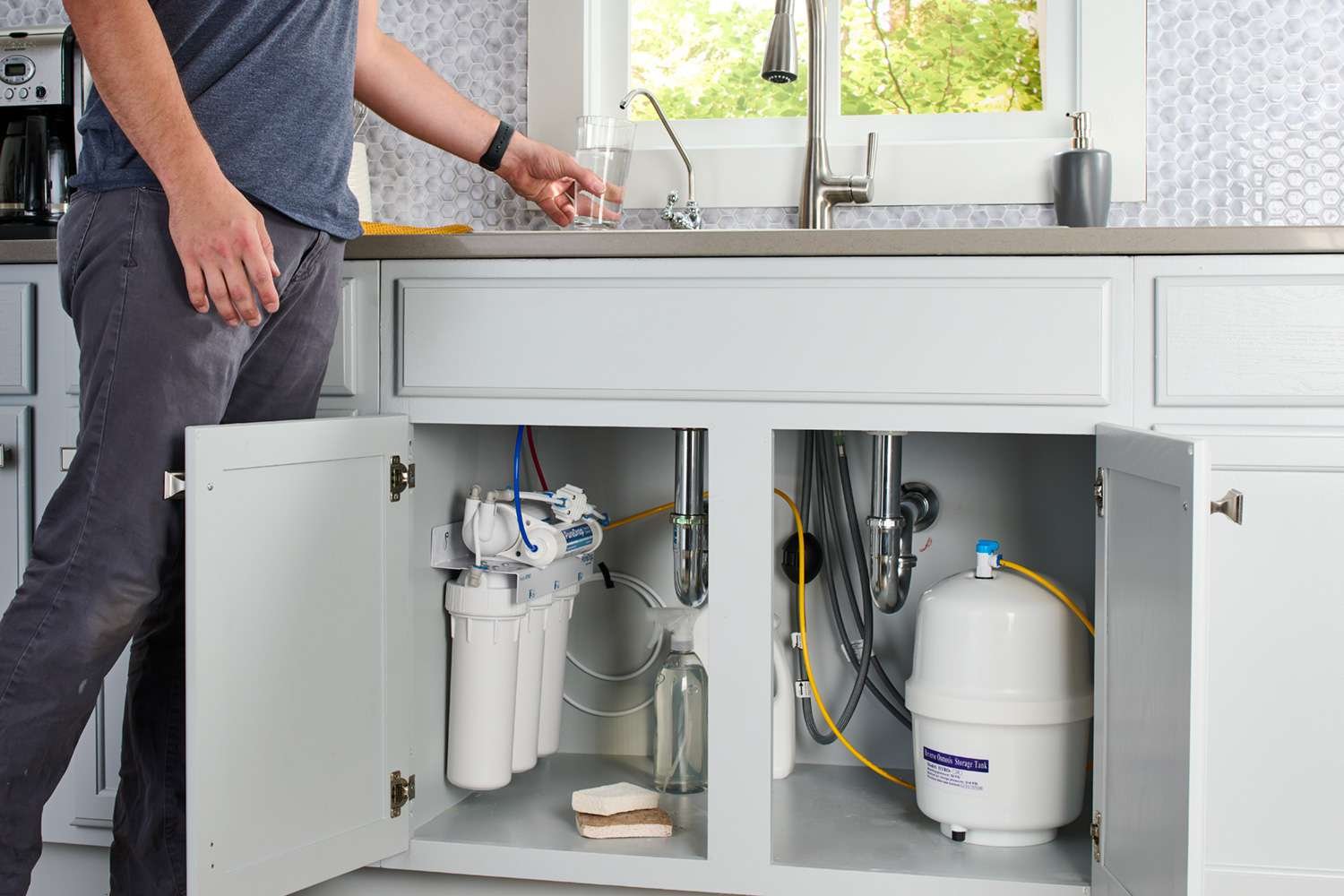
A proper water test can identify whether the problem comes from gases, bacteria, iron, manganese, sulfates, or other minerals. Guessing can lead to wasted money. For example, a basic carbon filter may reduce some smells, but it may not solve a stronger or more complex issue. In some cases, aeration, oxidation, chlorination, filtration, or a combination system may be recommended.
Do Not Forget the Drains
Sometimes the water itself is innocent. The smell may actually come from the drain. This happens when bacteria grow in the drain, overflow opening, or garbage disposal. When water hits that area, the odour rises, making it seem like the tap water smells bad.
There is a simple test. Fill a clean glass with water from the tap, then walk away from the sink and smell the water. If the glass smells fine but the sink area smells bad, the drain is likely the culprit. Cleaning the drain, disposal, and overflow channel may fix it. It is a small detail, but it saves people from blaming the whole water system too quickly.
When to Call a Professional
If the odour is strong, persistent, affects multiple fixtures, or comes from both hot and cold water, it is time to get proper help. A trained water specialist can test the water, inspect the plumbing setup, check the water heater, and recommend the right treatment. This is especially important if you have well water, young children at home, older plumbing, or visible staining around fixtures.
Trying random filters can get expensive fast. One filter handles taste. Another handles sediment. Another handles bacteria or gases. The right answer depends on what is actually in the water, not just what the water smells like.
Fresh Water Should Feel Normal Again
Clean water is one of those everyday comforts you barely think about until something changes. A bad smell from the tap can make the whole home feel less clean, even when everything else is spotless. The good news is that most odour problems can be identified and treated once the source is understood.
So, don’t just hold your breath and hope it goes away. Pay attention to where the smell appears, whether it happens with hot or cold water, and how long it has been going on. Those small clues matter. With the right testing and a practical solution, your water can go back to being what it should be — clear, usable, and easy to trust.
Related Articles

NoBroker Packers and Movers Hyderabad: My Honest Take After Relocating
Before booking any mover, the first thing most people in Hyderabad look up is packers and movers price, and for good reason. […]

Why Thoughtful Carpentry Makes a Home Feel More Personal and More Practical
Walk through a house that has been carefully finished, and you can usually sense the difference before you notice the details. The […]
Why Understanding Your Home’s Water Is the First Step Toward Better Living
Water is one of those everyday essentials that rarely gets much attention. We use it to brew coffee, cook dinner, wash clothes, […]