A Practical Guide to Better Water at Home and Work
Water has a way of becoming invisible in our daily routines. We use it to make coffee in the morning, rinse fresh vegetables, take a shower, and fill bottles before leaving home. At work, it keeps employees hydrated and helps equipment run as it should. Most of the time, we don’t question the water coming from the tap until something seems off. Maybe there’s a strange taste, a lingering smell, or a layer of mineral deposits around the faucet.
These little signs can be a reason to take a closer look at water quality. Fortunately, modern water treatment technology offers several ways to address common concerns. The trick is knowing which solution fits your property, your water supply, and your everyday habits.
Why Water Quality Matters More Than You Think
Water quality affects more than the taste of a glass of drinking water. Depending on its source, water may contain sediment, dissolved minerals, chlorine, or other substances that influence how it looks, smells, and behaves. Some issues are mainly about comfort, while others may require proper testing and treatment to protect health.
For example, hard water can leave stubborn deposits on showerheads and gradually affect water-using appliances. Chlorine may give tap water a noticeable swimming-pool-like smell, even when the supply meets applicable drinking water standards. Private well water can present different challenges, including possible microbial contamination or naturally occurring minerals.
It’s important not to judge water safety by appearance alone. Clear water isn’t necessarily free of contaminants, and an unusual taste doesn’t automatically mean the water is dangerous. A reliable water test provides a much better starting point than guesswork.
Treating Water Throughout the House
Some water problems affect only the kitchen tap. Others show up everywhere, from the bathroom shower to the washing machine. When the concern involves the entire plumbing system, treating water as it enters the property may be worth considering.
A properly selected whole home water treatment system can combine different technologies to address specific water quality concerns. Depending on the test results, this might include sediment filtration, activated carbon, water softening, or specialized treatment for particular contaminants.
The benefit is that treatment can extend beyond drinking water. Sediment filtration may help reduce particles entering household plumbing, while suitable carbon filters can improve taste and odor. A correctly sized water softener can also reduce hardness-related scale on fixtures and heating equipment.
Still, there’s no universal system that removes everything. A carbon filter, for instance, won’t necessarily remove dissolved salts or microorganisms. Before installing whole-house equipment, identify which substances need attention and confirm that the chosen system is designed to reduce them.
Household water usage matters, too. A system that’s adequate for a small apartment may struggle to supply a large family home during simultaneous showers, laundry cycles, and kitchen use. Proper sizing helps maintain water pressure and consistent performance.
A Convenient Way to Stay Hydrated at Work
Walk into a busy office around midmorning and you’ll probably notice people carrying coffee mugs, reusable bottles, or glasses of water. Easy access to drinking water makes a difference, particularly when employees spend long hours at their desks.
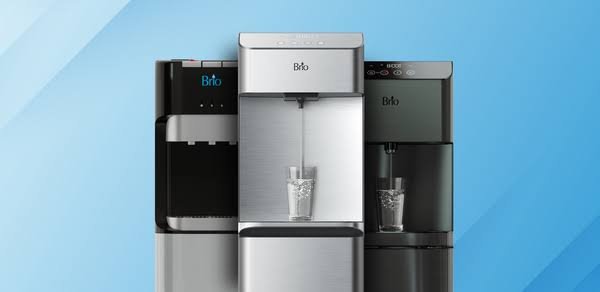
Traditional water dispensers can be useful, but bottled units require regular deliveries, storage space, and the occasional awkward jug change. For workplaces looking to simplify the routine, bottleless water coolers & dispensers offer an alternative.
These units connect directly to a suitable water supply and use filtration to improve selected aspects of water quality. Depending on the model, they may provide chilled, ambient, or hot water, making them useful in offices, reception areas, meeting rooms, and staff kitchens.
There are practical advantages beyond convenience. Businesses may reduce their dependence on delivered water bottles and free up storage space. Employees can refill reusable bottles throughout the day, while facilities teams have fewer bottle deliveries to coordinate.
However, bottleless doesn’t mean maintenance-free. The unit needs an appropriate water connection, suitable filtration, and regular servicing. Filter changes, sanitation, and manufacturer-recommended checks are essential. Businesses should also confirm that the equipment’s filtration technology is appropriate for the incoming water rather than assuming every dispenser provides the same level of treatment.
When Standard Filters Aren’t Enough
Most everyday water concerns can be approached with familiar technologies, but some supplies need more targeted treatment. A private well, a property with unusual mineral concentrations, or a business with specific process-water requirements may call for a more specialized approach.
This is where specialty filtration systems can become useful. Depending on the contaminant and application, options may include iron and manganese filters, arsenic reduction systems, ultraviolet disinfection, or reverse osmosis equipment.
Each technology serves a different purpose. Iron filtration can help address staining and metallic tastes when the system is properly matched to the water chemistry. Ultraviolet treatment can inactivate susceptible microorganisms when the equipment is correctly designed and maintained, but it doesn’t remove dissolved chemicals. Reverse osmosis can reduce many dissolved substances, although its effectiveness varies by contaminant and system performance.
Businesses may also need specialized filtration for commercial kitchens, laboratories, manufacturing processes, or equipment that requires controlled water characteristics. In these situations, treatment specifications should come from testing and operational requirements, not a general-purpose product brochure.
If testing reveals a potentially harmful contaminant, seek advice from a qualified water treatment professional or the relevant public health authority. Some problems require a combination of technologies, and incorrect treatment can leave the original concern unresolved.
Choosing a System Without Overspending
Water treatment equipment comes in many sizes and price ranges. It’s tempting to choose a system with the longest feature list, but more technology doesn’t automatically mean better water for your particular needs.
Begin by identifying the main issue. Is it hardness, sediment, taste, odor, or a specific contaminant? Next, compare systems that are designed to address that problem. Look for independent certifications and documented contaminant-reduction claims, where applicable.
It’s equally important to consider the ongoing costs. Replacement filters, electricity, wastewater production, servicing, and installation can all affect the total cost of ownership. A cheaper unit may require frequent replacement parts, while a more expensive model could have higher service costs than expected.
For commercial properties, include water demand and downtime in the decision. A dispenser serving ten employees has different requirements from one used by hundreds of people. Similarly, a restaurant may need treatment that protects equipment during peak service hours.
Ask suppliers about maintenance intervals, replacement part availability, warranty coverage, and the conditions under which their performance claims apply. Straightforward answers are a good sign.
Small Maintenance Habits Make a Difference
Even a well-chosen system won’t perform indefinitely without attention. Filters gradually collect particles, membranes require replacement, and disinfection equipment needs routine checks. Skipping maintenance can reduce effectiveness and, in some cases, create additional water quality concerns.
Keep a record of installation dates and filter changes. Follow the manufacturer’s instructions, and arrange professional servicing when required. If your water comes from a private well, periodic testing is especially important because its quality can change over time.
After major plumbing work, flooding, or changes in taste and odor, consider whether further testing is needed. Don’t assume an existing treatment system will automatically handle a new problem.
Better Water Starts With Better Information
The right water treatment choice is rarely about buying the biggest or most advanced machine. It’s about understanding your water and finding a practical way to improve it.
For some households, a simple drinking water filter will do the job. Others may benefit from whole-house treatment or a softener, while workplaces might prefer a directly connected dispenser that makes drinking water easier to access.
Start with testing, compare suitable technologies, and pay attention to maintenance as well as the initial price. When a system matches the actual problem, it can make daily routines more comfortable, help protect equipment, and provide greater confidence in the water you use.
Good water treatment isn’t always something people notice right away. Sometimes, its value lies in the little things: cleaner-looking fixtures, a better-tasting glass of water, or one less maintenance problem to worry about. And honestly, those everyday improvements can add up.
Related Articles
Finding the Right Water Solutions for Homes and Businesses
There’s a particular kind of frustration that comes with a water problem. You turn on the kitchen tap, expecting a clear stream, […]

NoBroker Packers and Movers Hyderabad: My Honest Take After Relocating
Before booking any mover, the first thing most people in Hyderabad look up is packers and movers price, and for good reason. […]

Why Thoughtful Carpentry Makes a Home Feel More Personal and More Practical
Walk through a house that has been carefully finished, and you can usually sense the difference before you notice the details. The […]