Finding the Right Water Solutions for Homes and Businesses
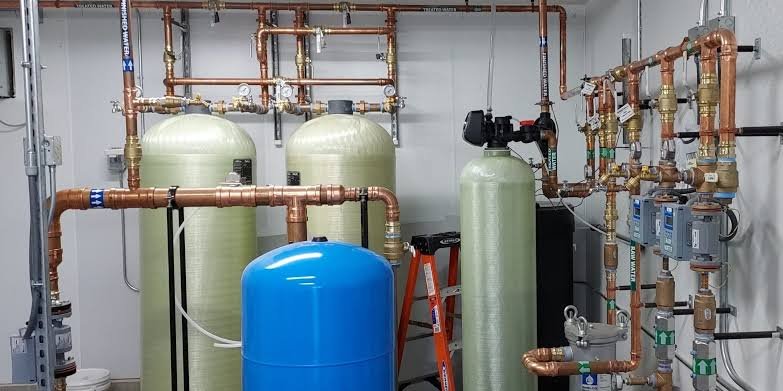
There’s a particular kind of frustration that comes with a water problem. You turn on the kitchen tap, expecting a clear stream, only to notice an odd smell. The bathroom fixtures keep collecting white stains, or the water pressure drops just when everyone in the house needs a shower. For businesses, the consequences can be even more serious. A hotel can’t afford unreliable water during a busy weekend, and a restaurant needs dependable water quality every single day.
Water problems don’t always have dramatic beginnings. Often, they develop slowly, tucked away in pipes, storage tanks, and equipment that nobody thinks about until something goes wrong. Fortunately, many of these issues can be managed with a practical approach, the right professional advice, and systems suited to the property’s actual needs.
Understanding your options is the first step toward making water safer, reducing waste, and avoiding unnecessary expenses.
Why Water Problems Deserve Attention
Water quality varies considerably from one location to another. Municipal supplies, groundwater, borewells, and private wells can all have different characteristics, even when two properties are relatively close together.
Hard water is a common concern. It contains elevated levels of calcium and magnesium, which can leave deposits on faucets, reduce soap performance, and contribute to scale buildup in water heaters. Iron may cause reddish-brown stains, while sediment can make water appear cloudy or clog filters.
Some problems are less visible. Depending on the source, water may contain microorganisms, nitrates, arsenic, lead, or other substances that require specific testing. Clear water isn’t necessarily safe water, and an unusual taste doesn’t automatically mean contamination.
That’s why water treatment should begin with understanding the problem rather than choosing equipment based on advertising alone. A laboratory test can help identify relevant contaminants and determine whether a particular treatment method is appropriate.
The source matters, too. Households using borewell water may need more frequent checks when local groundwater conditions are changing. Businesses with large storage tanks or complex plumbing systems should also pay attention to how water is stored and distributed after it enters the property.
Once the underlying issue is clear, the next decisions become much easier.
Helping Homeowners Enjoy Better Water Every Day
For most households, water quality affects dozens of ordinary activities. It influences the taste of tea and coffee, the performance of washing machines, the cleanliness of bathroom fixtures, and the confidence people feel when filling a drinking glass.
The right solution depends on what needs fixing. A sediment filter can help remove suspended particles, while an activated carbon filter may reduce chlorine taste and odor. Reverse osmosis systems can reduce many dissolved contaminants when the equipment is specifically designed and certified for them. Water softeners address hardness, rather than serving as general-purpose purification systems.
These technologies aren’t interchangeable, and installing every available option isn’t necessarily beneficial.
Professional residential water services can help homeowners assess their supply, choose suitable equipment, and arrange installation without overlooking important details. A qualified provider should explain what a recommended system can and cannot remove, how often it requires maintenance, and what the ongoing costs are likely to be.
Consider a family whose borewell water leaves heavy deposits on bathroom fittings. A properly sized softener may address the hardness problem more effectively than repeatedly buying drinking-water filters. Another household might have acceptable water hardness but need a certified drinking-water filter because testing identifies a specific contaminant.
Different problems call for different solutions.
It’s also worth thinking beyond the initial purchase price. Replacement cartridges, electricity consumption, servicing, and wastewater can add up over several years. A slightly more expensive system may offer better long-term value if it’s reliable, efficient, and easy to maintain.
Water Management Is a Business Essential
For commercial properties, dependable water is closely tied to customer experience, hygiene, and daily operations. The requirements of a small office are very different from those of a hotel, hospital, restaurant, school, or manufacturing facility.
Restaurants need suitable water for food preparation, cleaning, and ice production. Hotels may use substantial volumes for guest bathrooms, laundry, kitchens, and cooling equipment. Manufacturing businesses might depend on carefully controlled water chemistry for particular processes.
In these environments, even a short interruption can cause inconvenience or financial losses. Poor water quality may also damage equipment, create maintenance problems, or interfere with production.
Reliable commercial water services take these differences into account. Depending on the facility, support may include water testing, filtration, softening, reverse osmosis, disinfection, equipment servicing, and consumption monitoring.
The system should be designed around actual demand. A treatment unit that works well during quiet hours might struggle when multiple showers, kitchen appliances, or production lines operate simultaneously. Undersized equipment can create bottlenecks, while oversized systems may increase costs without delivering meaningful benefits.
Businesses should also consider documentation. Keeping records of water tests, service visits, filter replacements, and equipment performance makes it easier to identify recurring problems and demonstrate that maintenance procedures are being followed.
For facilities with specific regulatory obligations, treatment and testing plans should be aligned with the applicable local standards and industry requirements.
Preventive Maintenance Can Save Money
One of the easiest mistakes property owners make is assuming that installed equipment will continue working indefinitely without attention. Unfortunately, filters become clogged, membranes gradually lose performance, pumps wear out, and plumbing connections can develop leaks.
A maintenance schedule helps prevent small issues from becoming expensive emergencies. Follow the manufacturer’s recommendations for replacing consumables, inspecting components, and servicing equipment. Actual replacement intervals may depend on incoming water quality and how heavily the system is used.
It’s sensible to inspect storage tanks periodically, particularly if water is stored for extended periods. Covers should remain secure, and tanks should be cleaned and disinfected when appropriate. Leaking pipes, damp walls, and unexplained increases in water consumption also deserve investigation.
Businesses can benefit from scheduled inspections during quieter operating periods. A restaurant, for example, may find it easier to service filtration equipment before a busy season than to deal with an unexpected failure during peak service.
Homeowners can take a similar approach with a simple calendar reminder.
Preventive maintenance isn’t glamorous, but it often costs less than emergency repairs, damaged appliances, or unplanned downtime.
Saving Water Without Compromising Convenience
Water efficiency is another important part of managing a property responsibly. Leaking toilets, dripping taps, and inefficient fixtures can waste considerable amounts of water over time.
Start with the obvious things. Repair leaks, use water-efficient fixtures where practical, and investigate unexplained changes in water bills or meter readings. In commercial buildings, monitoring consumption by department or process can reveal where water is being used unnecessarily.
Rainwater harvesting may supplement certain non-drinking uses, depending on local regulations and the design of the collection system. Some commercial facilities can also reuse appropriately treated greywater for toilet flushing or landscaping.
However, reuse requires proper planning. Water intended for a non-potable purpose must be treated and managed according to its intended use, with suitable safeguards against cross-connections to drinking-water supplies.
Treatment equipment itself deserves an efficiency check. Some reverse osmosis systems produce wastewater during operation, and the amount varies by design and operating conditions. Reviewing efficiency specifications can help property owners make better-informed choices.
Small improvements often add up, particularly in buildings where water consumption is high.
Making a Smarter Investment in Water
Choosing a water solution shouldn’t feel like taking a gamble. Start with reliable information about your supply, identify the issues that matter most, and compare systems based on their proven capabilities rather than broad promises.
For households, that might mean testing borewell water and installing a filter suited to the results. For a business, it could involve reviewing equipment capacity, improving maintenance records, or reducing avoidable consumption.
Ask potential providers clear questions about installation, servicing, warranties, replacement parts, and long-term operating costs. A trustworthy professional should be willing to explain the reasoning behind a recommendation.
Clean, dependable water supports comfortable homes, healthy routines, and businesses that run smoothly. It deserves attention before a minor inconvenience becomes a major disruption.
In the long run, the best solution isn’t necessarily the newest or most expensive system. It’s the one that addresses the real problem, fits the property’s needs, and continues to perform reliably with proper care.
Related Articles
A Practical Guide to Better Water at Home and Work
Water has a way of becoming invisible in our daily routines. We use it to make coffee in the morning, rinse fresh […]

NoBroker Packers and Movers Hyderabad: My Honest Take After Relocating
Before booking any mover, the first thing most people in Hyderabad look up is packers and movers price, and for good reason. […]

Why Thoughtful Carpentry Makes a Home Feel More Personal and More Practical
Walk through a house that has been carefully finished, and you can usually sense the difference before you notice the details. The […]