Why Cleaner Water Starts with Smarter Choices at Home
There’s something easy to overlook about the water running through your home. It looks clear, tastes fine most days, and seems harmless enough. But once you start paying attention—whether it’s stubborn hard water stains, a faint chlorine smell, or dry skin after every shower—you realize water quality affects far more than just what’s in your drinking glass.
Many homeowners don’t think about their water until a problem becomes impossible to ignore. The funny thing is, by then, the issue has often been building for years. Minerals slowly wear down appliances, sediment collects inside plumbing, and contaminants that can’t be seen with the naked eye continue flowing through faucets every day.
Making informed decisions about home water isn’t about chasing perfection. It’s about creating a healthier, more comfortable place to live while protecting the investment you’ve already made in your home.
Why Water Quality Matters More Than Most People Realize
Water plays a role in nearly every part of daily life. You cook with it, bathe in it, wash your clothes, clean dishes, water plants, and of course, drink it. When the quality isn’t ideal, those small inconveniences begin stacking up.
Hard water leaves chalky deposits on fixtures. Chlorine can affect taste and odor. Iron may stain sinks and laundry, while sulfur can create that unmistakable rotten egg smell nobody wants lingering around the house.
The impact goes beyond appearance. Poor water quality may shorten the lifespan of water heaters, coffee makers, dishwashers, and washing machines. Over time, scale buildup forces these appliances to work harder, consuming more energy than necessary.
Every Home Has Different Water Challenges
One mistake people often make is assuming every neighborhood has identical water conditions. That’s rarely true.
Municipal water supplies are treated differently depending on location, while private wells introduce an entirely different set of variables. Even two homes on the same street can experience different mineral levels due to plumbing age or local infrastructure.
That’s why there isn’t a universal solution that works for everyone. Some households primarily struggle with hardness. Others need chlorine reduction, sediment removal, or filtration for specific contaminants.
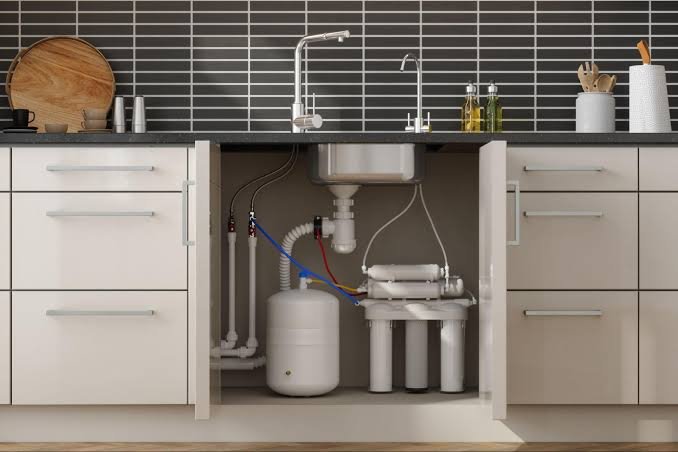
Modern water filtration and treatment systems are designed to address these unique conditions rather than applying a one-size-fits-all approach. Selecting the right combination of filters, softeners, or purification technology often produces better results while avoiding unnecessary expenses.
Looking Beyond Taste Alone
Many people judge water simply by flavor.
If it tastes okay, they assume everything is fine. Unfortunately, taste tells only part of the story.
Some minerals are completely harmless despite affecting flavor, while certain contaminants may have little or no noticeable taste at all. Water that appears perfectly clear can still contain elevated levels of dissolved solids, iron, manganese, or other unwanted substances.
Professional testing provides a much clearer picture than guesswork ever can.
Understanding what’s actually present in your water allows homeowners to invest in solutions that solve real problems instead of chasing symptoms.
How Better Water Benefits the Entire Home
Improving water quality doesn’t only affect drinking water.
Many homeowners notice softer towels after laundry, brighter dishes coming out of the dishwasher, smoother hair after showers, and less soap required for cleaning. These aren’t dramatic overnight transformations, but they’re improvements people often appreciate every single day.
Appliances also benefit from cleaner water.
Reduced scale buildup helps water heaters maintain efficiency, while washing machines and dishwashers experience less internal wear. Plumbing fixtures stay cleaner longer, requiring less scrubbing and fewer harsh cleaning chemicals.
Those little savings—in maintenance, energy use, and replacement costs—can quietly add up over the years.
Choosing a System That Fits Your Lifestyle
Shopping for water treatment equipment can feel overwhelming at first.
There are carbon filters, reverse osmosis units, UV purification systems, water softeners, whole-house filtration setups, and countless combinations in between. Every manufacturer claims to offer the perfect solution.
Instead of focusing on brand names alone, homeowners should begin by understanding their water conditions and household needs.
A family relying on well water has different priorities than someone connected to a municipal supply. Likewise, households with young children, aging plumbing, or high water usage may benefit from different treatment options.
The best system isn’t necessarily the biggest or most expensive. It’s the one that solves the specific issues affecting your home.
Making Water Improvements More Affordable
Cost naturally becomes part of the conversation.
While installing a complete water treatment solution requires an investment, many providers understand that homeowners prefer manageable payment options rather than paying everything upfront.
Some companies now offer financing available for qualified customers, making it easier to install the right equipment without delaying necessary improvements. Spreading payments over time often allows families to enjoy better water immediately while staying within their household budget.
That flexibility can make a meaningful difference, especially when replacing aging equipment or installing an entire whole-home system.
Start With Testing Instead of Guessing
Buying equipment before understanding your water is a bit like purchasing prescription glasses without an eye exam.
You might get lucky—but chances are you won’t.
Scheduling a free in-home water analysis provides valuable insight into hardness levels, chlorine content, sediment, iron, pH balance, and other common water concerns. Instead of relying on assumptions, homeowners receive information based on their own water supply.
That knowledge creates confidence.
Whether the recommendation involves a simple filtration upgrade or a more comprehensive treatment system, decisions become easier when they’re backed by actual test results rather than marketing claims.
Cleaner Water Is Really About Everyday Comfort
People often expect dramatic changes after improving water quality. Sometimes the biggest benefits are surprisingly ordinary.
The shower feels a little nicer. Coffee tastes cleaner. Glassware sparkles without spots. Soap rinses away more easily. Laundry feels softer. Faucets stay cleaner longer.
These aren’t flashy improvements, yet they’re the kind that quietly make daily life better.
Water touches almost everything we do inside our homes. Investing in better quality isn’t just about solving today’s problems—it helps protect plumbing, extend appliance life, reduce maintenance, and create a healthier environment for everyone under the roof.
At the end of the day, cleaner water isn’t really a luxury. It’s one of those practical home upgrades that continues paying you back every time you turn on the tap.
Related Articles

How Weather Shifts Change Pest Activity Around Midwestern Homes
Key Takeaways Weather significantly influences pest problems around homes, altering conditions that can lead to issues. Heavy rain can flood areas and […]

Why a Well-Maintained Roof Is One of the Smartest Investments for Your Home
A roof rarely gets the attention it deserves. Most homeowners don’t think much about it until they notice a water stain spreading […]
Why Better Water at Home Is About More Than Just What You Drink
Water has a funny way of fading into the background. It’s there when you brush your teeth, brew your morning coffee, wash […]