How Weather Shifts Change Pest Activity Around Midwestern Homes
Key Takeaways
- Rain, heat, humidity, wind, and cold can change where pests find food, water, and shelter.
- Storms may push some pests out of saturated soil, while standing water can support mosquito development.
- Warm, humid conditions can make moisture-prone areas of a home more attractive to pests.
- Cold snaps often reveal exterior gaps that allow rodents and overwintering insects to enter.
- Simple inspections after major weather changes can help homeowners catch conditions that encourage pest activity.
Weather significantly influences pest problems around homes, altering conditions that can lead to issues. Heavy rain can flood areas and burrows, while heat can dry soil and increase indoor moisture levels. Cold fronts may drive pests into garages and attics as they seek shelter. Homeowners in Illinois and Indiana experiencing recurring pest issues can benefit from professional pest management services that address a range of pests, including household pests, rodents, mosquitoes, bed bugs, and termites. As weather-related pest issues keep returning, a detailed inspection from Pointe Pest Control, a family-operated pest control company serving communities across Illinois and Indiana, is a relevant resource.
Why Weather Changes Pest Behavior
Pests respond to basic needs, not just the date on the calendar. Temperature can affect how active many insects are, while rainfall and humidity influence the availability of moisture and protected nesting areas. The weather also changes the landscape around a home. Wet soil, fallen branches, clogged gutters, leaf piles, and damaged screens can all create new routes or hiding places.
Dry conditions can be just as important as wet ones. When natural moisture is limited, pests may be drawn to dripping outdoor faucets, air-conditioner condensate, pet water bowls, floor drains, and plumbing leaks. Looking for the resource a pest is seeking is often more useful than focusing only on the insect or animal that was seen.
What Heavy Rain Can Do Around a Home
After heavy rain, saturated soil may disturb ants and other pests that nest underground. Rodents using low outdoor areas, drains, sheds, or burrows may also move in search of a drier location. Indoors, a damp basement, crawl space, or utility room can become more inviting when moisture is allowed to linger.
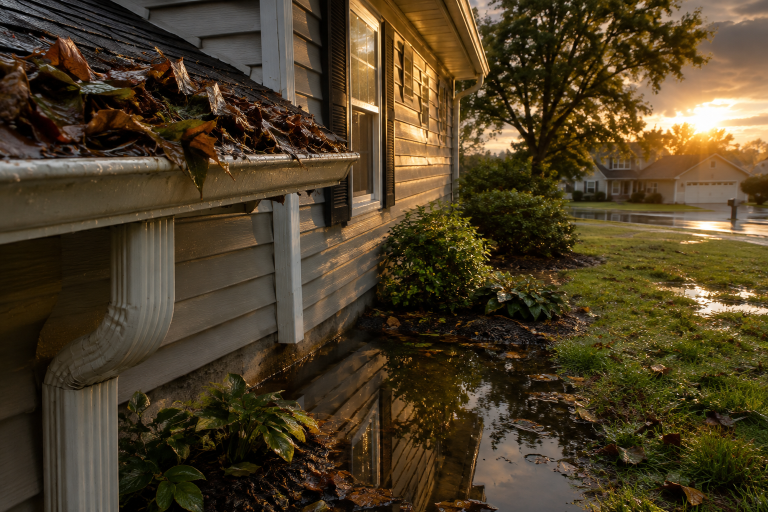
Rainwater left in containers also deserves attention. Because mosquitoes breed in water, removing water from buckets, plant saucers, toys, tarps, and clogged gutters is a practical step. The conditions that support mosquitoes vary by species, but standing water near a home is a sensible place to start prevention efforts.
- Empty items that collect rainwater.
- Clear leaves and debris from gutters and downspouts.
- Check the basement, crawl space, and garage for damp spots.
- Confirm that downspouts direct water away from the foundation.
How Heat and Humidity Raise Pest Pressure
Warm, humid periods can bring more noticeable activity outdoors and in moisture-prone rooms. Flies may gather where food waste or organic debris is available. Ants may form visible trails toward crumbs, pet food, or water. Cockroaches are commonly associated with areas near plumbing, appliances, and other protected sources of warmth and moisture.
Focus on kitchens, bathrooms, laundry rooms, and utility spaces during hot weather. Wipe up spills, repair slow leaks, keep trash covered, and avoid leaving pet food out overnight. Outdoors, trim dense vegetation away from exterior walls and keep mulch, leaves, and stored materials from building up against the foundation.
Why Sudden Cold Weather Sends Pests Indoors
When temperatures drop quickly, buildings offer more stable conditions than the outdoors. Mice and rats may investigate gaps at garage doors, utility penetrations, vents, and foundations. Stink bugs, boxelder bugs, and cluster flies may gather near sunny exterior walls, windows, rooflines, and other protected openings before moving into sheltered spaces.
Spiders may also become more noticeable in quiet areas such as garages, basements, attics, and storage rooms. Their presence can reflect available hiding places or prey, so reducing clutter and screening openings can help make those spaces less accommodating.
- Inspect door sweeps, window screens, and weather stripping.
- Seal gaps around pipes, wires, and utility lines.
- Repair damaged siding, foundation openings, vents, and screens.
- Store firewood away from the house and off the ground.
Seasonal Pest Patterns Across the Midwest
Seasonal patterns in pest activity highlight differences in property risks: spring sees increased ant and termite activity, summer brings mosquitoes and stinging insects, fall invites rodents, and winter reveals indoor issues. A single pest sighting does not indicate an infestation; effective management relies on identification, monitoring, and preventive measures. Applying integrated pest management principles can help homeowners address food, water, shelter, and entry points before relying on repeated treatments.
Home Areas That Need the Closest Look
- Basements and crawl spaces: Check for damp soil, leaks, poor drainage, and foundation gaps.
- Kitchens: Look behind appliances and inside cabinets for crumbs, open food, or plumbing leaks.
- Bathrooms and laundry rooms: Inspect around pipes, drains, vents, and washing-machine connections.
- Garages and attics: Watch for gaps around doors, damaged vents, stored cardboard, droppings, and nesting material.
- Yards: Remove standing water, leaf piles, excess clutter, and vegetation touching walls or rooflines.
A Simple Weather-Based Pest Prevention Routine
- After heavy rain: Remove standing water and inspect for new leaks, damp areas, and drainage problems.
- During hot weather: Keep food and trash sealed, clean up spills promptly, and repair sources of moisture.
- Before a cold snap: Check doors, vents, screens, windows, and exterior utility openings.
- After strong winds: Look for torn screens, loose siding, damaged vents, and branches contacting the home.
- At each season change: Walk the foundation and note trails, droppings, nests, holes, or insect activity.
When Do-It-Yourself Pest Control May Not Be Enough
It is time to investigate further when pests appear in multiple rooms, activity returns shortly after treatment, or there are signs of nesting, droppings, bites, property damage, or repeated entry. Professional help may also be appropriate when the pest is difficult to identify or the issue involves termites, bed bugs, rodents, stinging insects, or persistent mosquitoes.
Questions Homeowners Often Ask
Does rain always cause more pests?
No. Rain can increase mosquito breeding opportunities where water collects, but it can also disrupt some insects or wash away exposed food sources. The result depends on drainage, temperature, rainfall, and the pest involved.
Why do ants appear after a storm?
Heavy rain can disturb underground nesting areas. Ants may then travel toward drier ground, wall voids, kitchens, or other protected locations with access to food or moisture.
Can a clean home still have pests?
Yes. Cleaning reduces food and hiding opportunities, but pests can still enter through cracks, vents, plumbing openings, doors, windows, and damaged exterior materials.
Final Inspection Checklist
- Seal exterior gaps around doors, windows, pipes, and utility lines.
- Fix leaks and improve airflow in damp areas.
- Remove standing water after storms.
- Store food, pet food, and trash in sealed containers.
- Trim plants away from walls and rooflines.
- Move firewood, leaves, and clutter away from the foundation.
- Record where and when pest activity appears.
Weather shifts can make existing weaknesses around a home more noticeable. A short inspection after rain, heat, wind, or cold can reveal the moisture, food, shelter, and entry points that allow a minor pest concern to become a more persistent problem.
Related Articles
Why Cleaner Water Starts with Smarter Choices at Home
There’s something easy to overlook about the water running through your home. It looks clear, tastes fine most days, and seems harmless […]

Why a Well-Maintained Roof Is One of the Smartest Investments for Your Home
A roof rarely gets the attention it deserves. Most homeowners don’t think much about it until they notice a water stain spreading […]

Why Better Water at Home Is About More Than Just What You Drink
Water has a funny way of fading into the background. It’s there when you brush your teeth, brew your morning coffee, wash […]