
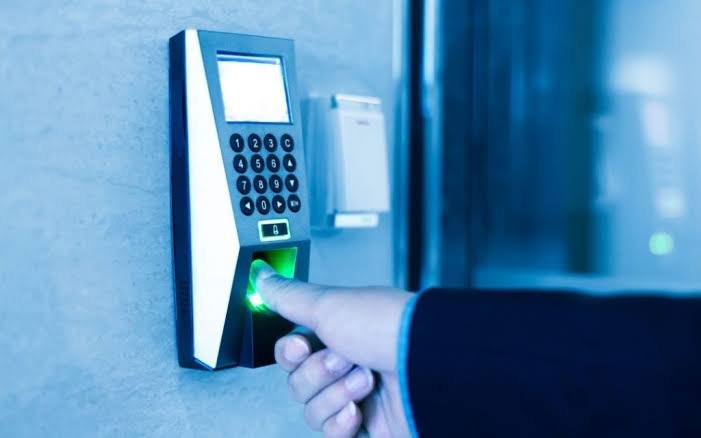
Businesses today face increasing challenges when it comes to protecting employees, customers, equipment, and sensitive information. Traditional security methods such as keys and basic locks may not provide the level of control needed for modern workplaces.
Access control technology provides businesses with a smarter way to manage who can enter specific areas and when access is permitted. These systems help organizations improve security, increase operational visibility, and create a more organized approach to managing their facilities.
From small offices to large commercial buildings, access control solutions can be customized to match different security requirements. Understanding the benefits of these systems can help business owners make informed decisions about protecting their property and improving workplace safety.
Improving Business Security Through Better Access Management
One of the main advantages of access control systems is the ability to manage entry points more effectively. Instead of relying on traditional keys that can be lost, copied, or shared, businesses can use electronic credentials that provide greater control.
Access control systems allow organizations to determine who has permission to enter specific areas. This is especially important for locations that contain valuable equipment, private information, inventory, or restricted spaces.
For example, a business may allow employees to access general office areas while limiting entry to server rooms, storage spaces, or management offices. This creates a more structured security environment.
Businesses using access control systems Phoenix can benefit from customized systems designed to meet the unique needs of their facilities and operations.
Reducing Security Risks From Lost or Shared Keys
Traditional keys create several challenges for businesses. If a key is lost or an employee leaves the company, the organization may need to replace locks or reissue keys to maintain security.
Access control systems provide a more convenient alternative. Digital credentials can often be updated, removed, or modified without changing physical locks.
This helps businesses respond quickly when access permissions need to change. Whether an employee changes roles, leaves the company, or temporary access needs to be provided, electronic systems make management easier.
This level of control reduces security risks and helps businesses maintain better oversight of who can enter their facilities.
Increasing Employee and Workplace Safety
A safe workplace is an important priority for every organization. Access control systems help create safer environments by limiting unauthorized entry and ensuring that only approved individuals can access certain areas.
In larger facilities, controlling movement throughout the building can be challenging. Access systems provide an organized way to manage employee access while supporting workplace security policies.
These systems can also help businesses understand movement patterns within a facility. Knowing who can access specific areas provides additional awareness and helps organizations respond more effectively to security concerns.
For industries such as healthcare, finance, technology, and manufacturing, controlling access is especially important because these environments often contain sensitive information or valuable resources.
Improving Accountability and Monitoring
Another important benefit of access control technology is improved tracking. Many systems create records of entry activity, allowing businesses to review information about when and where access occurred.
This information can be valuable when investigating incidents, reviewing workplace activity, or maintaining compliance requirements.
For example, if an issue occurs in a restricted area, businesses can review access records to understand who entered the location during a specific timeframe.
This level of visibility provides valuable information that traditional locks and keys cannot offer.
Access records also help encourage accountability because employees understand that entry activity can be monitored.
Supporting Business Growth and Flexibility
As businesses grow, their security needs often change. A small company may eventually expand into larger offices, additional locations, or facilities with more complex requirements.
Modern access control systems can be designed with scalability in mind. Additional doors, users, and features can often be added as the organization develops.
This flexibility makes access control a valuable long-term investment. Instead of replacing an entire security system when needs change, businesses can often upgrade existing solutions.
A scalable system supports growth while maintaining consistent security practices.
Integrating Access Control With Other Security Solutions
Many businesses choose to combine access control systems with other security technologies to create a more complete protection strategy.
Integration with surveillance cameras, alarms, and visitor management systems can improve overall visibility and response capabilities.
For example, when access control is connected with video surveillance, businesses may be able to review footage associated with specific entry events. This provides a clearer understanding of what happened and when.
Combining multiple security technologies creates a more organized and efficient approach to protecting a property.
Enhancing Convenience for Employees and Management
Security systems should protect businesses without creating unnecessary difficulties for employees. Access control technology provides a balance between protection and convenience.
Employees no longer need to carry multiple physical keys, and businesses can simplify the process of managing access permissions.
Management teams can update access settings more efficiently and avoid many of the challenges associated with traditional key systems.
This improves daily operations while maintaining a controlled security environment.
Choosing the Right Access Control Solution
Every business has different security requirements. The right system depends on factors such as building size, number of employees, industry regulations, and specific areas that require protection.
Some businesses may need simple entry management, while others may require advanced features such as biometric verification, mobile credentials, or detailed access reporting.
A professional security provider can evaluate the property and recommend a solution based on actual needs.
Choosing the right technology ensures that the system provides meaningful value rather than unnecessary complexity.
The Importance of Professional Installation
Proper installation is essential for ensuring that an access control system operates correctly. Professional technicians understand how to configure equipment, connect components, and test system functionality.
A poorly installed system may create security gaps or operational issues. Professional installation helps ensure that doors, readers, software, and related components work together properly.
Experienced providers can also offer guidance on system management and future upgrades.
Working with qualified professionals helps businesses maximize the benefits of their investment.
Protecting the Future of Your Business
Access control systems provide businesses with a modern approach to managing security, improving accountability, and protecting important areas.
As security challenges continue to evolve, businesses need solutions that provide flexibility, control, and reliable performance.
By implementing a professionally designed access control system, organizations can create a safer workplace, reduce security risks, and improve the way they manage facility access.
Investing in access control is not only about restricting entry. It is about creating smarter security practices that support business operations today and in the future.